Many homeowners are unaware that indoor air often harbors higher concentrations of contaminants than the air outside. Brent Zokan, vice president of Northpoint Heating & Air Inc., outlines how routine HVAC maintenance and environmental adjustments can mitigate the buildup of dust, pollen, and volatile organic compounds.
By Corp and Tech·August 10, 2026·2 min read·557 reads
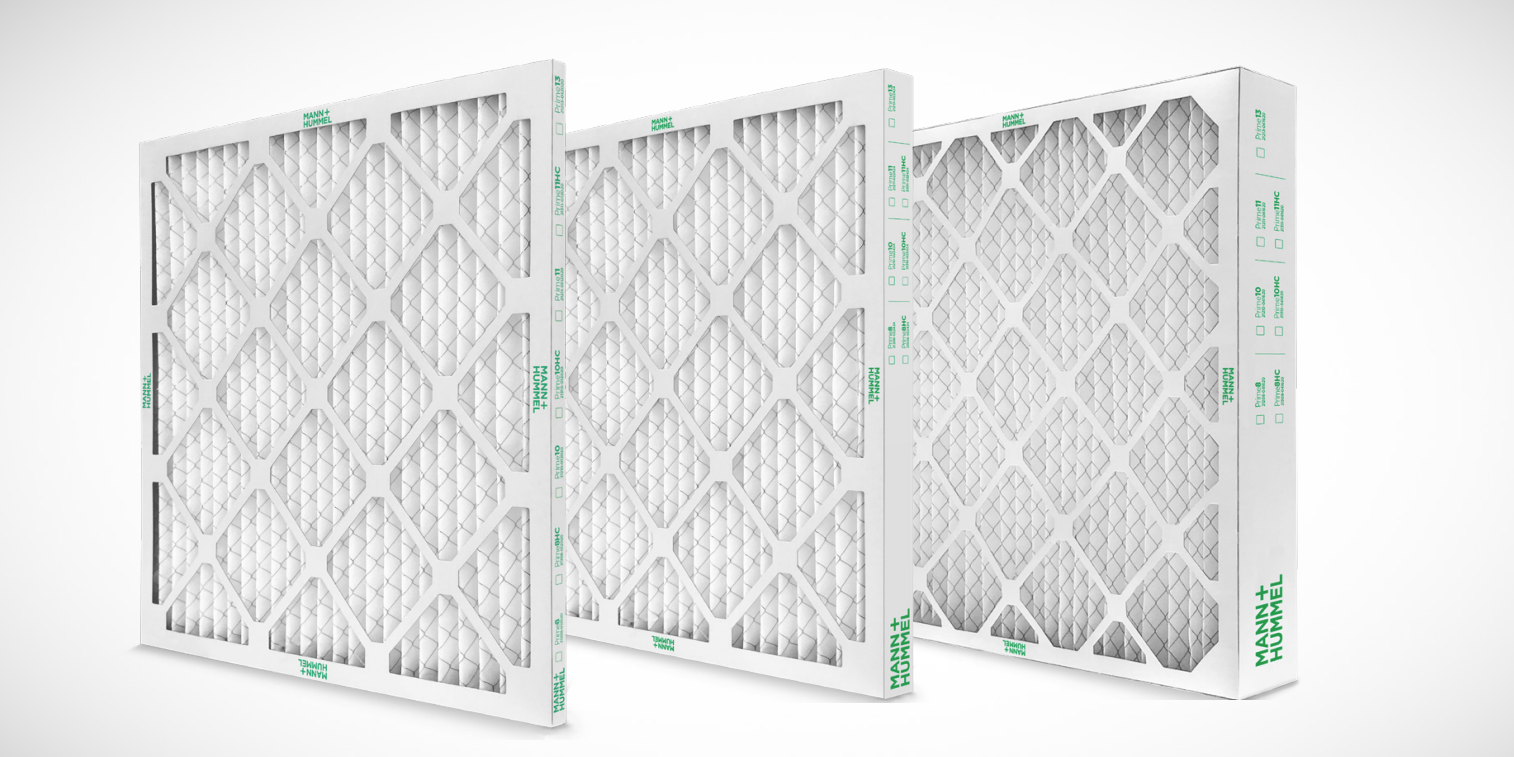
The primary defense against poor air quality lies in disciplined filter maintenance. Clogged filters restrict circulation and allow pollutants to accumulate, forcing HVAC systems to work harder while diminishing air quality. Replacing these filters every one to three months ensures consistent airflow and traps airborne particles before they permeate living spaces.
Beyond filtration, humidity management is critical, particularly in climates like Columbia, South Carolina. Zokan advises maintaining indoor humidity between 40 and 50 percent to inhibit mold growth and discourage dust mites. Excess moisture frequently leads to mildew, while air that is too dry can cause respiratory irritation and damage household materials.
For households dealing with asthma or allergies, high-efficiency particulate air (HEPA) filters offer a more robust solution. These units capture microscopic irritants, including pet dander and smoke, that standard filters often miss. When paired with professional duct cleaning and the strategic placement of furniture away from vents, these steps prevent stagnant air pockets and reduce the concentration of household VOCs.
Modern digital monitors now provide real-time data on carbon monoxide and humidity levels, allowing residents to shift from reactive repairs to proactive management. By combining regular professional service with simple habit changes—such as utilizing exhaust fans and selecting low-VOC cleaning products—homeowners can significantly reduce their exposure to respiratory hazards and create a more sustainable, comfortable living environment.

Comments (0)
No comments yet. Be the first!