
Following a decisive win in Sunday’s lower house elections, Prime Minister Sanae Takaichi has moved to solidify her flagship economic policy: a two-year suspension of the 8% national consumption tax on food and beverages. At a press conference in Tokyo on Monday, Takaichi announced plans to establish a cross-party council to fast-track the proposal, with interim findings expected by this summer.
In section Market Quotes
Takaichi Secures Mandate for Two-Year Japan Consumption Tax Cut
Prime Minister Sanae Takaichi has reaffirmed her commitment to suspending Japan’s national consumption tax on food and beverages following a landslide election victory. The move, aimed at easing the cost of living, comes despite warnings from the Ministry of Finance regarding a significant revenue shortfall and potential market instability.
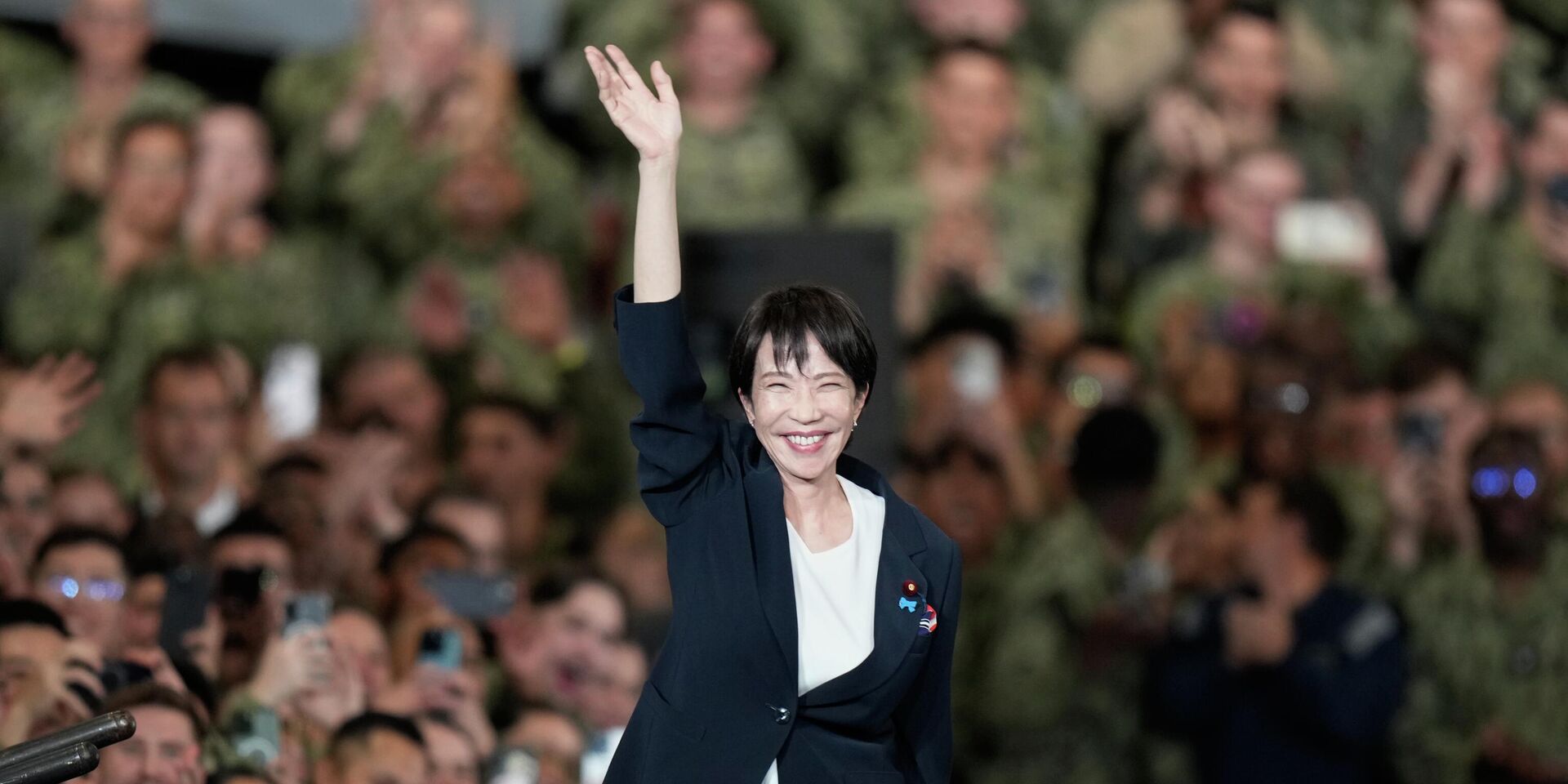
Fiscal Impact and Market Reaction
The proposed tax holiday faces significant scrutiny from fiscal hawks. According to Ministry of Finance estimates, the suspension would result in an annual revenue shortfall of approximately 5 trillion yen ($32 billion). While the Prime Minister reiterated that the government would not rely on deficit-financing bonds to bridge this gap, the ambiguity surrounding alternative funding has already pressured the yen and triggered a sell-off in the Japanese government bond market.The ruling Liberal Democratic Party's new supermajority provides Takaichi with the legislative power to override the upper house, clearing a path for her aggressive fiscal agenda. Beyond tax reform, the administration is prioritizing economic resilience against foreign-exchange volatility. Takaichi noted that while a weak yen presents a mixed bag for the national economy, the government remains committed to monitoring currency movements to prevent destabilizing fluctuations.
Comments (0)
No comments yet. Be the first!