
A deck offers an open platform for grilling and sunbathing, yet it leaves residents fully exposed to the region's intense sun and insects. In contrast, a screen enclosure utilizes aluminum framing to create a controlled environment that remains functional during the hottest parts of the day. While a standard wood or composite deck carries a lower initial price tag, the maintenance required to protect materials from Columbia’s humidity can escalate costs over time. Screen enclosures often prove more durable, potentially offering a better return on investment despite higher upfront construction expenses.
In section Releases
Columbia Homeowners Weigh Decks Against Screen Enclosures
Columbia’s mid-90s summer heat and persistent humidity turn the choice between an open deck and a screen enclosure into a matter of long-term utility rather than just aesthetics. Local outdoor living expert Steven McCoy suggests that the decision rests on how much of the year homeowners intend to spend outside.
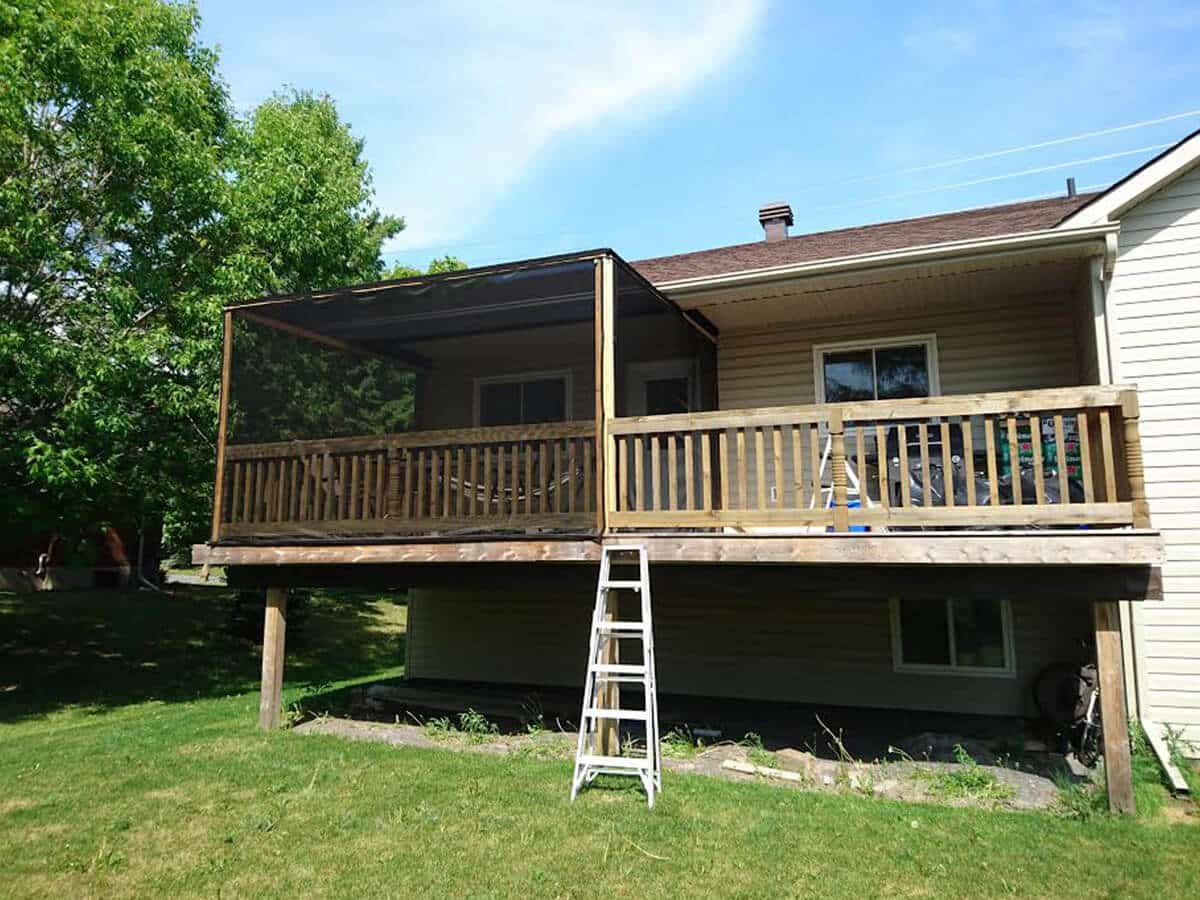
For those already possessing a deck, converting the space into a screen room serves as a practical upgrade by utilizing the existing foundation. However, homeowners must navigate local building codes in Richland and Lexington counties before breaking ground. Both additions require adherence to specific setback requirements and structural standards to avoid complications during future home sales. Ultimately, the choice depends on lifestyle: those prioritizing open-air freedom for sunbathing may prefer the deck, while those seeking a shielded, bug-free space for morning and evening use will likely find more value in an enclosure.
Comments (0)
No comments yet. Be the first!