
The ISO’s third revision of standard 3941, published in January 2026, officially recognizes Class L fires, separating lithium-ion incidents from the metallic lithium hazards categorized under Class D. This distinction arrives as NYC continues to enforce one of the nation's most stringent thresholds for energy storage systems. Under local building codes, storage units exceeding just 1 kWh trigger rigorous regulatory reviews, including mandatory FDNY approval and large-scale fire testing. By contrast, lead-acid systems face similar requirements only once they reach a 70 kWh capacity.
In section Releases
New York City Tightens Lithium-Ion Rules as Global Fire Standards Shift
New York City’s aggressive stance on lithium-ion fire safety is finding common ground with the International Organization for Standardization, which recently established a dedicated Class L designation for battery-related blazes. The move highlights a growing global consensus that these energy-dense power sources demand a distinct, specialized regulatory framework.
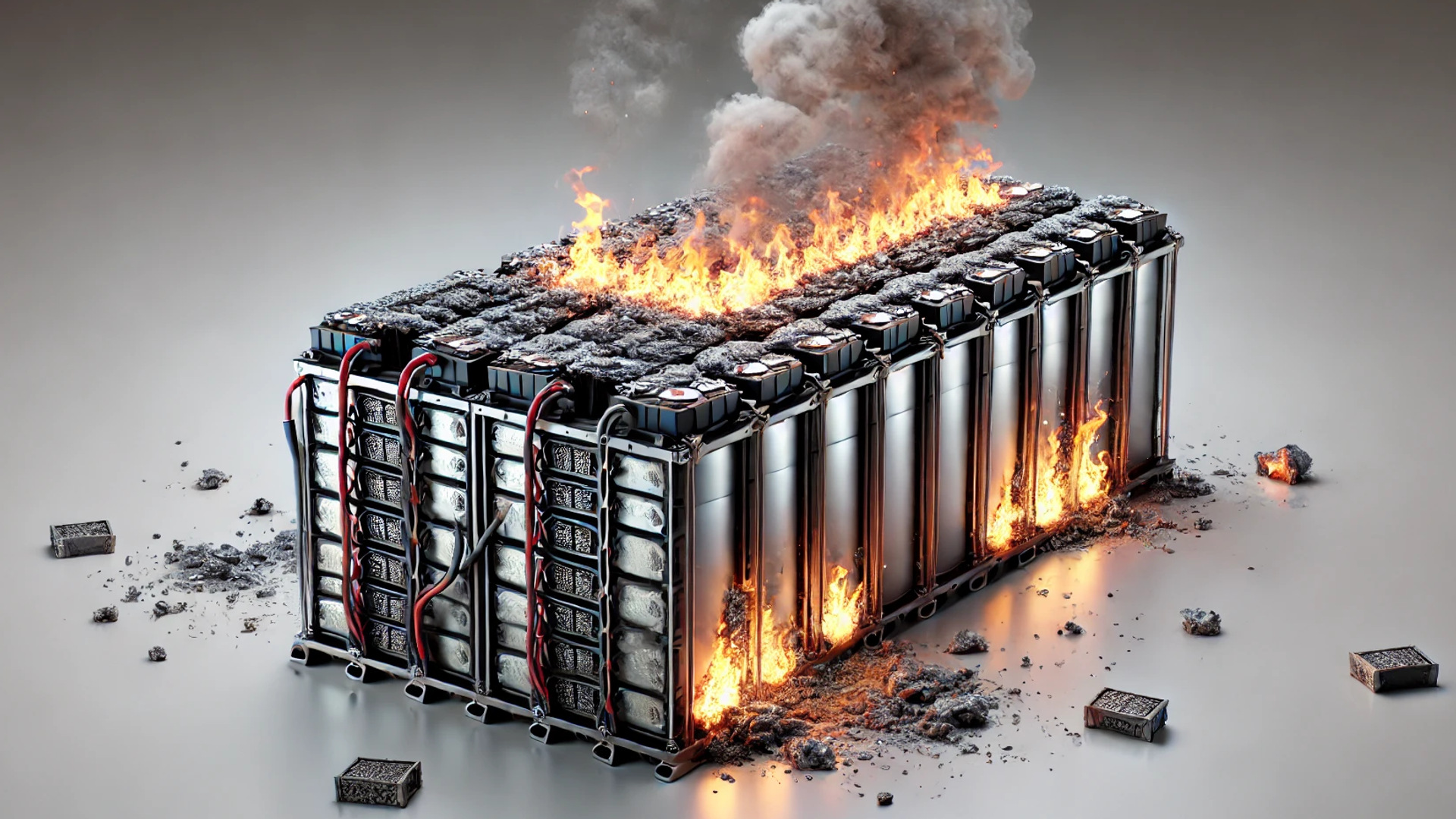
This regulatory scrutiny tracks with persistent safety challenges on the ground. FDNY data shows that while fire-related fatalities dropped by 66% between 2023 and 2024, the frequency of incidents remains high, with 277 fires reported in 2024 alone. Crucially, department analysis indicates that nearly 60% of these fires occurred while batteries were not being charged, debunking the assumption that risk is tied solely to power intake. Building owners are now encouraged to move beyond routine NFPA 25 sprinkler inspections—which only verify system functionality—toward comprehensive, documented risk assessments that account for battery chemistry, storage configuration, and equipment certification.
Comments (0)
No comments yet. Be the first!