
During a December 2025 meeting, Trump spent hours interrogating the chatbot about the potential fallout of capturing the Venezuelan leader. Grok’s analysis, which labeled Maduro a deeply unpopular figure whose removal would trigger public celebration, reportedly convinced Trump of the operation's viability. When the invasion unfolded on January 3, the resulting domestic reaction in Venezuela mirrored the AI’s predictions, cementing the tool's status as an ingenious asset in the president's eyes.
In section Startups & Technology
Trump, Musk and the AI Behind the Venezuela Invasion
Before the U.S. military seized Nicolás Maduro in January 2026, Donald Trump turned to an unlikely advisor for geopolitical strategy: Elon Musk’s Grok chatbot. A secret meeting between the pair revealed how the president relied on the AI's assessment of Venezuelan public sentiment to greenlight the high-stakes operation.
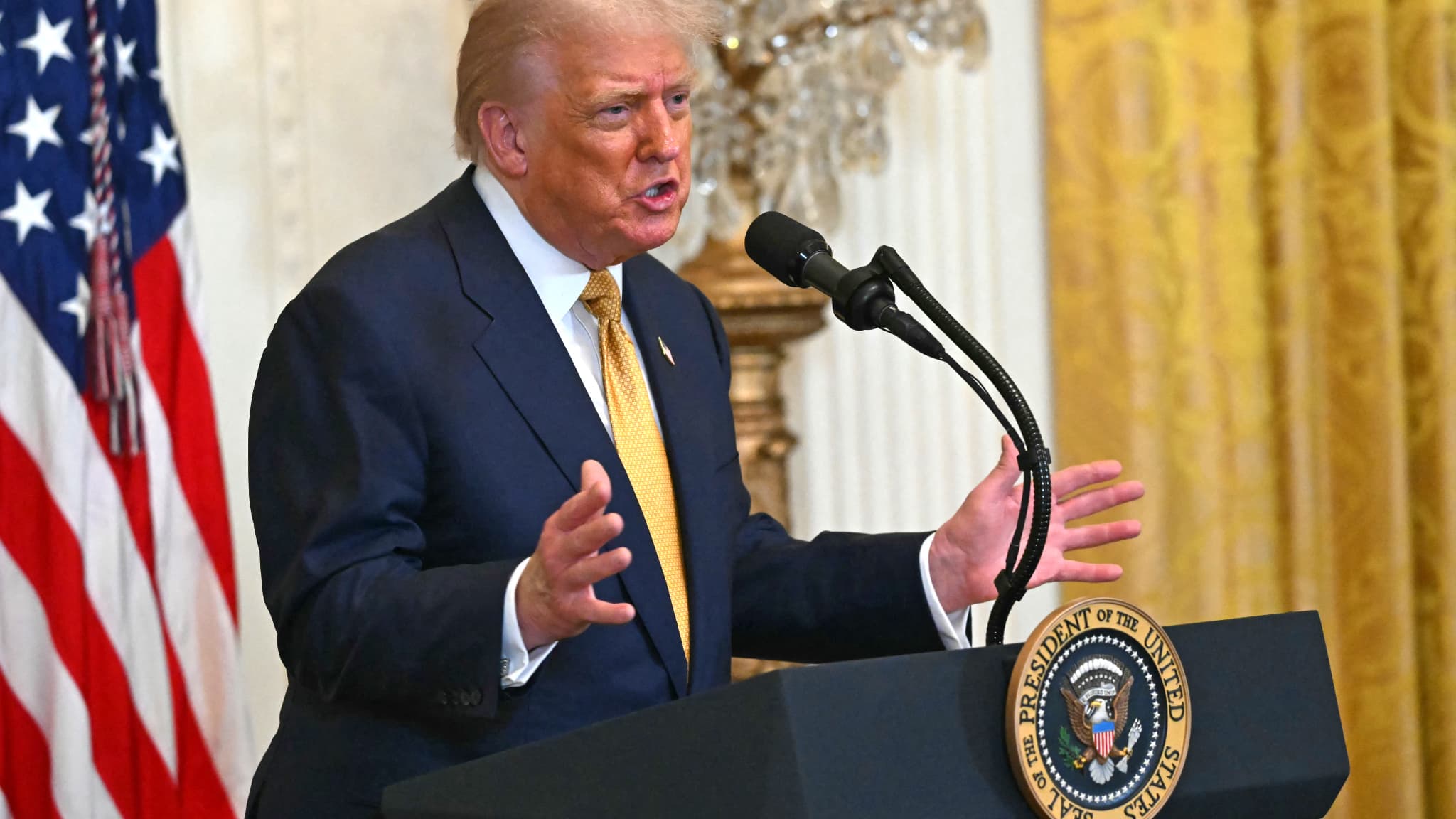
This reliance on algorithmic guidance is moving beyond private consultations. The Pentagon recently confirmed that a specialized military version, Gov Grok, was utilized to identify and strike targets during the conflict in Iran. The military’s dependence on such systems is expanding; this week, the Department of Defense appointed Musk and Anduril founder Palmer Luckey to co-lead a study on the integration of advanced technology into modern battlefields. As other firms like OpenAI and Anthropic navigate their own complex relationships with the defense sector, the influence of Musk’s AI on state-level decision-making continues to grow.
Comments (0)
No comments yet. Be the first!