
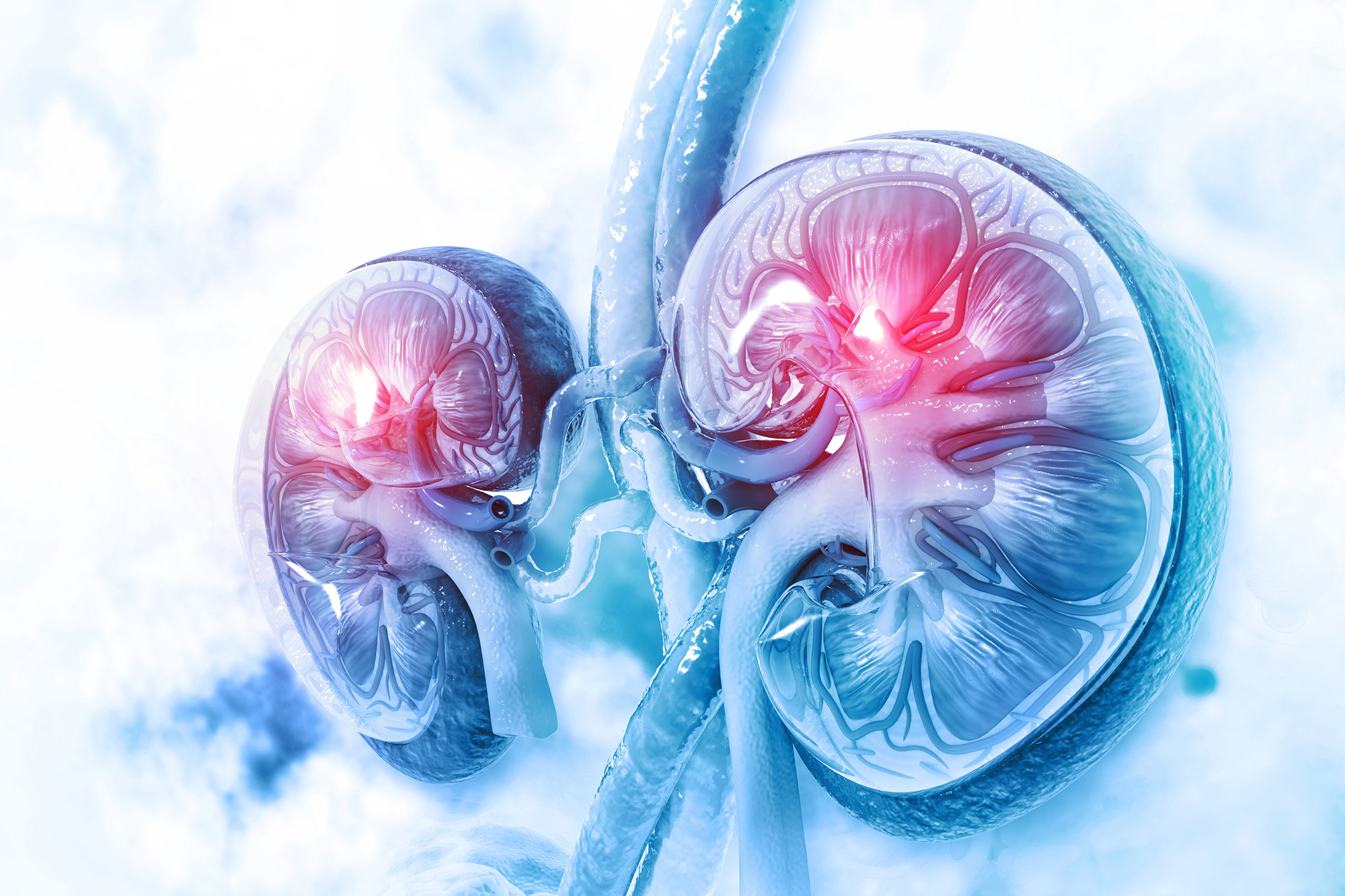
Standard blood tests often fail to capture kidney damage until significant capacity is lost. Kidney functional reserve (KFR) testing identifies this vulnerability by measuring how effectively an organ compensates for stress, such as a protein-rich meal. Researchers at the University of New South Wales and Prince of Wales Hospital evaluated 62 participants, including healthy volunteers and cardiac surgery patients, to determine if penKid could simplify this diagnostic process.
After consuming a protein shake, participants provided blood samples over five hours. The data revealed that penKid demonstrated a median fractional increase of 44%, significantly outperforming the 10% change seen with cystatin C and the 30% observed in creatinine clearance. Furthermore, the marker reached its peak response in approximately two hours, matching the efficiency of standard glucose tolerance tests. Unlike traditional methods, penKid measurements require no urine collection and appear unaffected by age, sex, or inflammation.
Comments (0)
No comments yet. Be the first!