
Yang, a former presidential candidate, argues that as artificial intelligence threatens to displace workers and compress wages, the market has a desperate need for services that make essentials like housing, education, and wireless connectivity more affordable. Last September, he launched Noble Mobile, a wireless carrier that charges a fraction of traditional rates and offers rebates to users who consume less data. This venture serves as a test case for his theory: that companies can achieve profitability while operating on thinner margins by building deep customer loyalty through shared savings.
In section Startups & Technology
Andrew Yang bets on a low-cost business model
Entrepreneur Andrew Yang is betting that the next wave of startup innovation won't come from aggressive extraction, but from lowering the cost of living for everyday Americans. Inspired by Mark Cuban’s Cost Plus Drugs, Yang is pivoting toward business models that prioritize returning margins directly to the consumer.
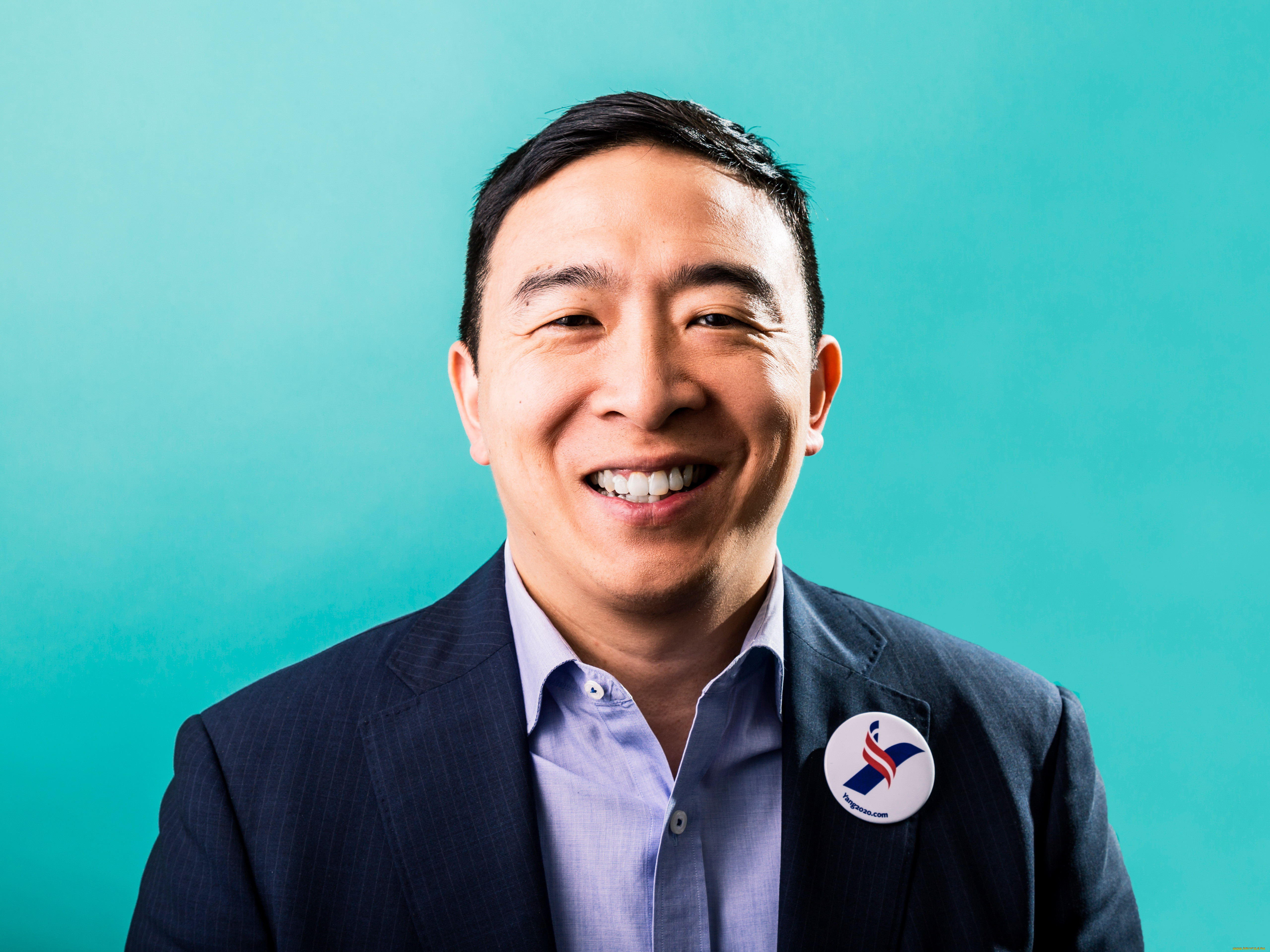
While Yang remains a vocal proponent of Universal Basic Income, he is increasingly looking to private enterprise to bridge the gap where government policy has stalled. He suggests that if a modest $50 in monthly savings is invested and compounded over four decades, it could yield $24,000—a significant cushion for retirement. Despite this potential, he admits that Silicon Valley remains obsessed with AI-centric models, with some investors even asking him to rebrand his cost-saving initiatives as AI plays to secure funding. Yang remains skeptical of the current concentration of capital, warning that an economy where consumers lack purchasing power is ultimately unsustainable for everyone.
Comments (0)
No comments yet. Be the first!