
The sector is currently undergoing a shift toward single-use filtration systems and automated workflows. These technologies are increasingly favored in drug development, cell culture, and microbiological testing, where precise contamination control is a regulatory necessity. Industry leaders, including Merck KGaA, Sartorius AG, and Thermo Fisher Scientific, are prioritizing these advancements to meet the rigorous quality standards required for sterile drug production and gene therapy development.
In section Releases
Laboratory Filtration Market Set for $6.8 Billion Valuation by 2030
The global laboratory filtration market is poised to climb from $4.5 billion in 2025 to $6.8 billion by 2030, according to a new report by Wissen Research. This trajectory reflects a compound annual growth rate of 8.5%, fueled by an intensifying demand for high-purity sample preparation in biopharmaceutical research.
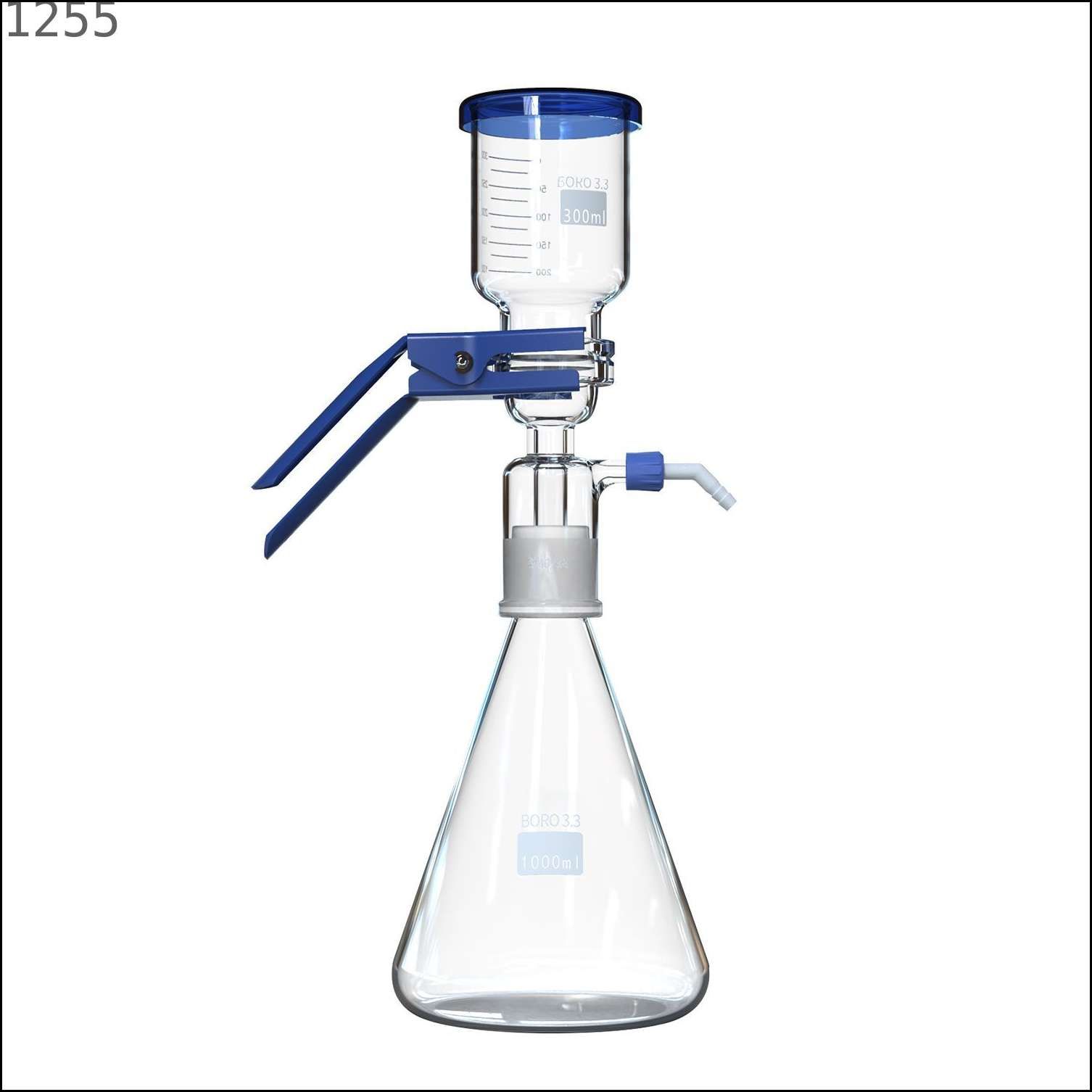
While North America currently commands the largest share due to its established infrastructure, Asia-Pacific is projected to emerge as the fastest-growing region. This expansion is supported by rising investments in healthcare and biotechnology across China, India, and Japan. Despite the growth, the industry faces technical hurdles, such as high maintenance costs, membrane fouling, and the complexities of ensuring compatibility across diverse chemical samples. Strategic consolidation, exemplified by Thermo Fisher’s $4.1 billion acquisition of Solventum’s filtration business, indicates that major players are looking to scale their capabilities through partnerships rather than relying solely on organic development.
Comments (0)
No comments yet. Be the first!