
The divide between functional acceptance and personal resistance is stark. Across nine countries, the vast majority of adults reject the idea of robots in caregiving roles, with only 12% opting for machine-led care for the sick or elderly. This skepticism remains consistent even as children show a higher openness to automation, being 50% more likely than their parents to view robots as full workplace colleagues. Despite this generational shift, the consensus remains that technology should assist rather than replace human accountability.
In section Releases
Public trust in robots stops at the factory gate
While sixty-eight percent of adults welcome robots for heavy lifting and hazardous tasks, support for automation collapses when it enters schools or hospitals. A new global study by Hexagon reveals that society demands strict boundaries for robotics, favoring utility over human-like roles in caregiving and education.
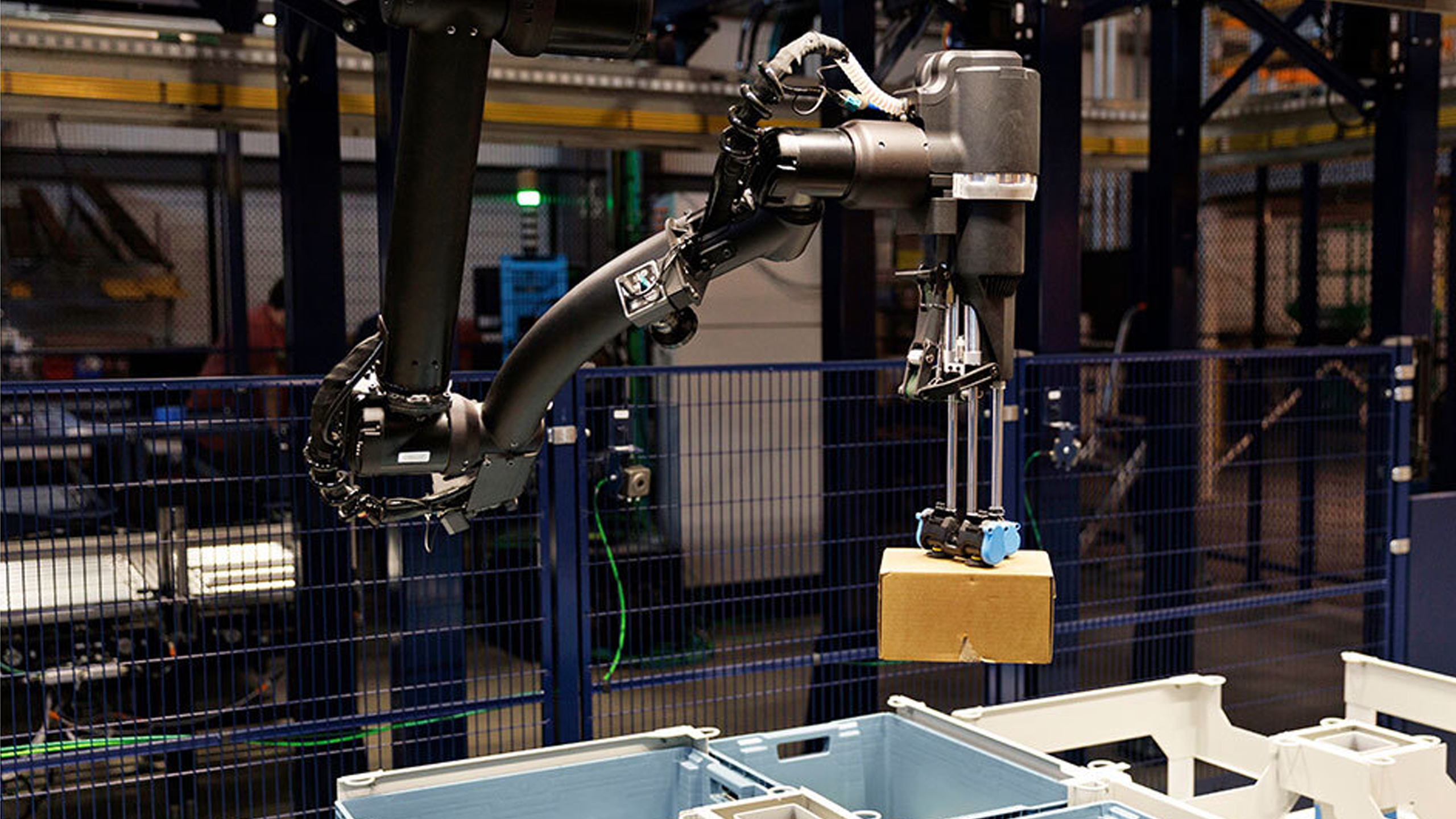
Practical utility dictates the terms of engagement. Adults favor robots that handle data, measurements, and physical safety, while children look for academic support. However, this openness is tethered to a demand for governance: 86% of respondents insist on clear regulatory frameworks for robot capabilities. Trust, it appears, is built through specific, machine-like utility rather than anthropomorphic design, with only 22% of people preferring human-like robots. As Hexagon CTO Burkhard Boeckem noted, the path to integration remains firmly within industrial environments, where safety cases are mature and the role of the machine is clearly defined.
Comments (0)
No comments yet. Be the first!