
The Aeolus mission will carry four instruments designed to track Martian dust, wind, and temperature from orbit. NASA intends for this data to improve safety protocols for future landers and human explorers. Under the deal, the agency handles scientific oversight while Relativity Space provides the necessary infrastructure. NASA administrator Jared Isaacman noted that the partnership model allows the agency to accelerate research while sharing development costs with private industry.
In section Startups & Technology
NASA Taps Relativity Space for Mars Mission
NASA has awarded a contract to Relativity Space to design, build, and launch the Aeolus mission to Mars, potentially positioning the Eric Schmidt-backed firm to reach the Red Planet before SpaceX. The 2028 mission aims to provide daily orbital atmospheric data, marking a high-stakes test for the startup’s unproven launch technology.
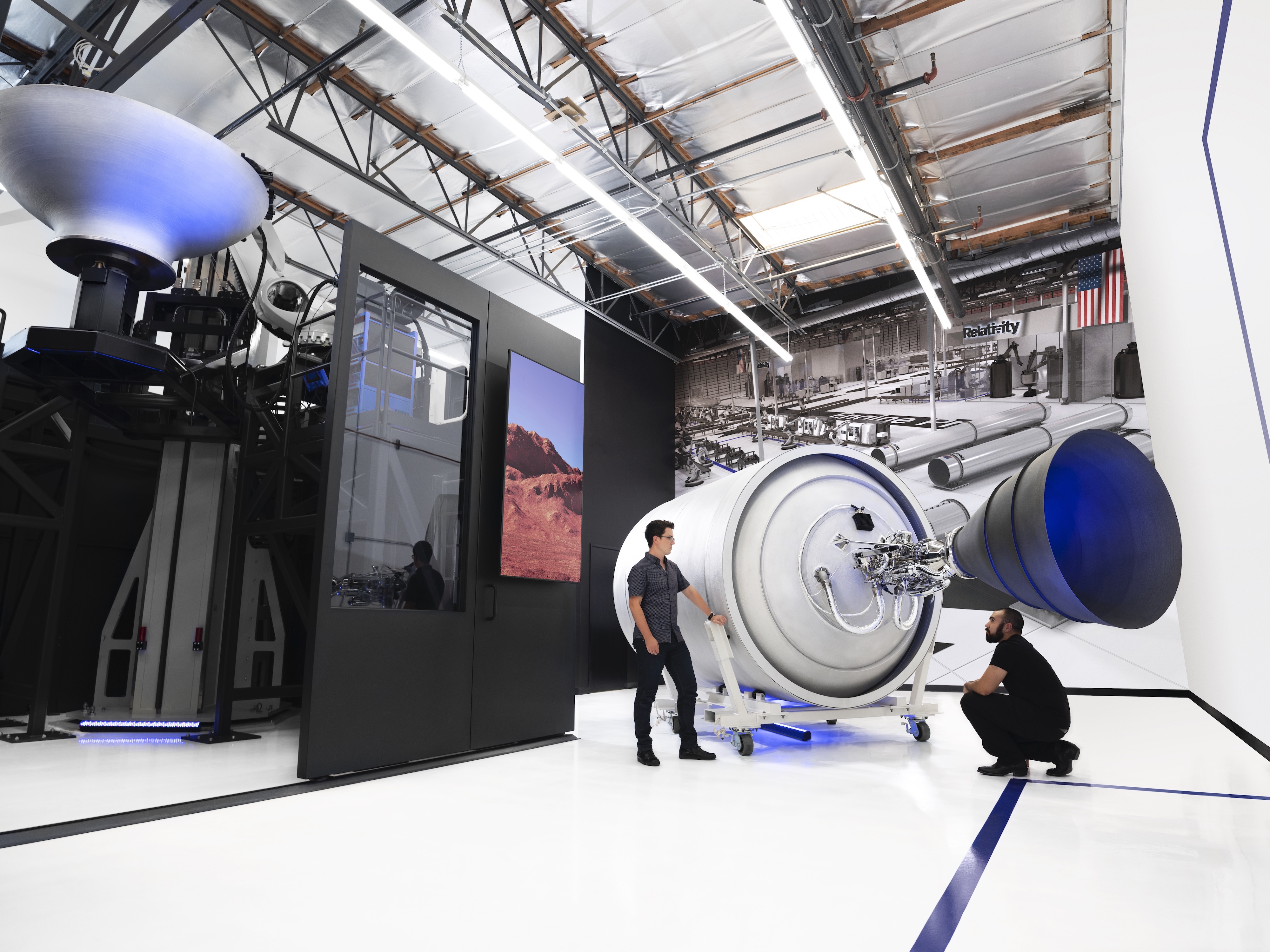
Relativity Space faces a demanding timeline to finalize its Terran R rocket and the spacecraft housing the instruments. The company, founded in 2015 with a focus on 3D-printed rocketry, previously saw its Terran-1 vehicle fail during a 2023 test flight. Following fundraising struggles, former Google executive Eric Schmidt took a majority stake last year, assuming the CEO role to steer the firm toward orbital services and space-based data infrastructure. While the financial terms remain undisclosed, the project represents a significant gamble for NASA, given the company's limited track record in orbital delivery. Success would provide a major validation for Schmidt, whose competitive history with Elon Musk adds a layer of industry tension to the mission's trajectory.
Comments (0)
No comments yet. Be the first!