
ASML serves as the linchpin of the global AI hardware supply chain, producing the only systems capable of printing the intricate circuit patterns required for the world’s most advanced processors. Given its $700 billion market valuation and total monopoly on EUV technology, any unauthorized transfer would represent a catastrophic failure of U.S. export controls. Company officials, however, argue that their internal tracking systems and strict staff firewalls make such a breach impossible. CEO Christophe Fouquet has previously emphasized that the company maintains a clear generational gap between its older deep ultraviolet tools sold to China and the restricted EUV systems, noting that the latter are far too complex to be reverse-engineered without prior access.
In section Startups & Technology
US Officials Question ASML Over Alleged EUV Shipments to China
U.S. Commerce Secretary Howard Lutnick has confronted ASML leadership with claims that a top-tier extreme ultraviolet lithography machine may have reached China. While the U.S. government suggests it holds evidence of illicit equipment transfers, the Dutch manufacturer maintains that its most advanced technology has never entered the country.
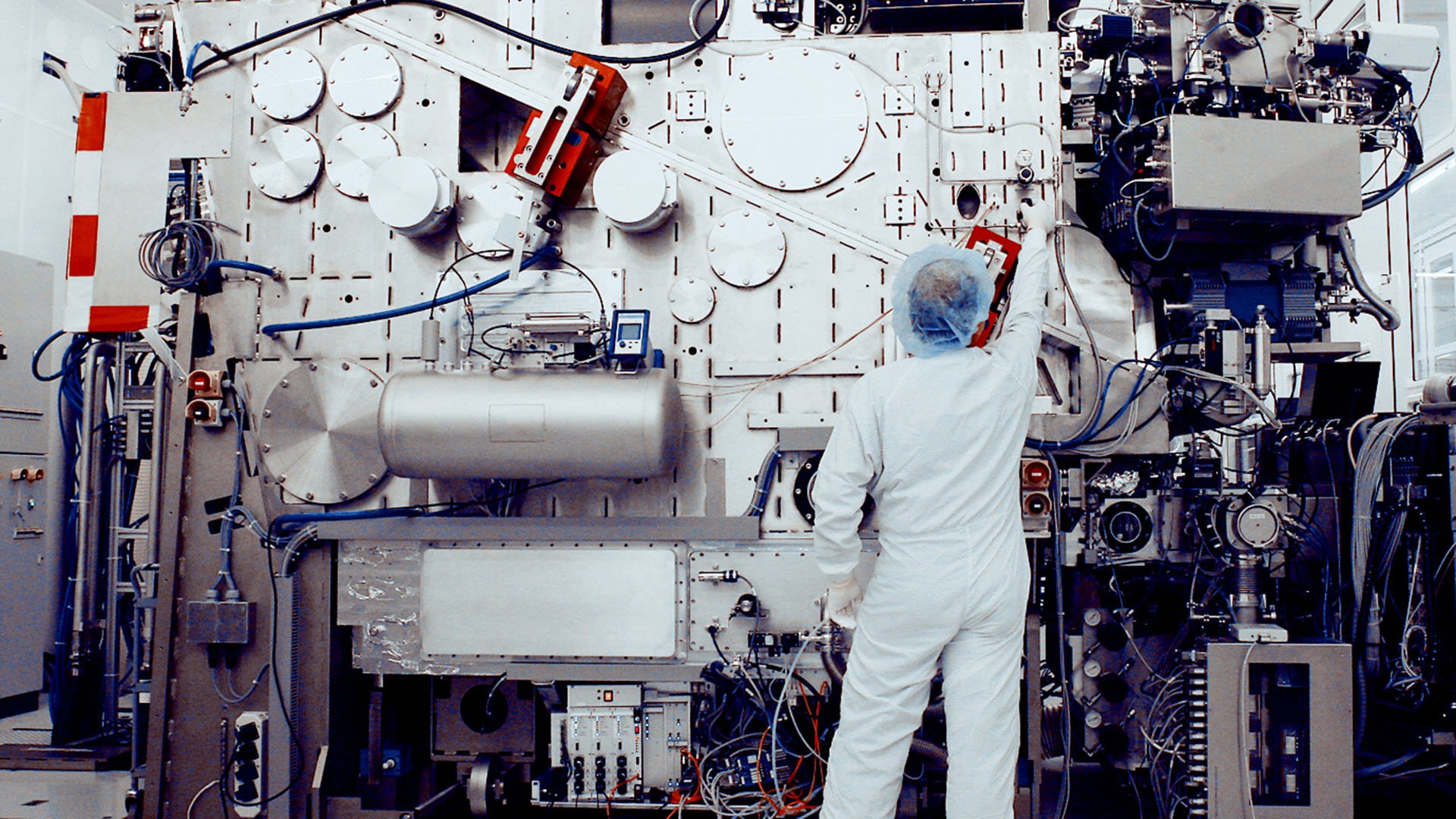
The tension coincides with a shifting landscape in semiconductor policy. The Commerce Department recently directed $150 million in funding toward xLight, a startup developing alternative light-source technology, while legislative efforts in Congress seek to further restrict ASML’s remaining sales in the region. Although the administration has yet to provide public proof of an EUV system on Chinese soil, the scrutiny places ASML’s lucrative Chinese market—which accounts for roughly 20% of its projected 2026 revenue—under significant regulatory pressure. With competing startups like Substrate also emerging, the current standoff highlights the increasingly fraught intersection of national security, industrial policy, and the global race for chip dominance.
Comments (0)
No comments yet. Be the first!