
The new model, dubbed the Reference Driver, represents a shift from previous industry standards that prioritized last-second crash avoidance. By simulating the internal anticipation and 'surprise' a human experiences during a high-stakes scenario, the tool provides a more nuanced benchmark for evaluating autonomous performance. Waymo researchers published their findings in Nature Communications, detailing how the framework processes thousands of scenarios with greater speed and efficiency.
In section Startups & Technology
Waymo Debuts Reference Driver to Benchmark Robotaxi Safety
To determine how its autonomous fleet stacks up against human motorists, Waymo has unveiled a sophisticated computer model designed to simulate driver behavior. Developed alongside TU Delft, the software employs active inference theory to map how competent drivers navigate complex traffic conflicts, moving beyond simple reactive maneuvers.
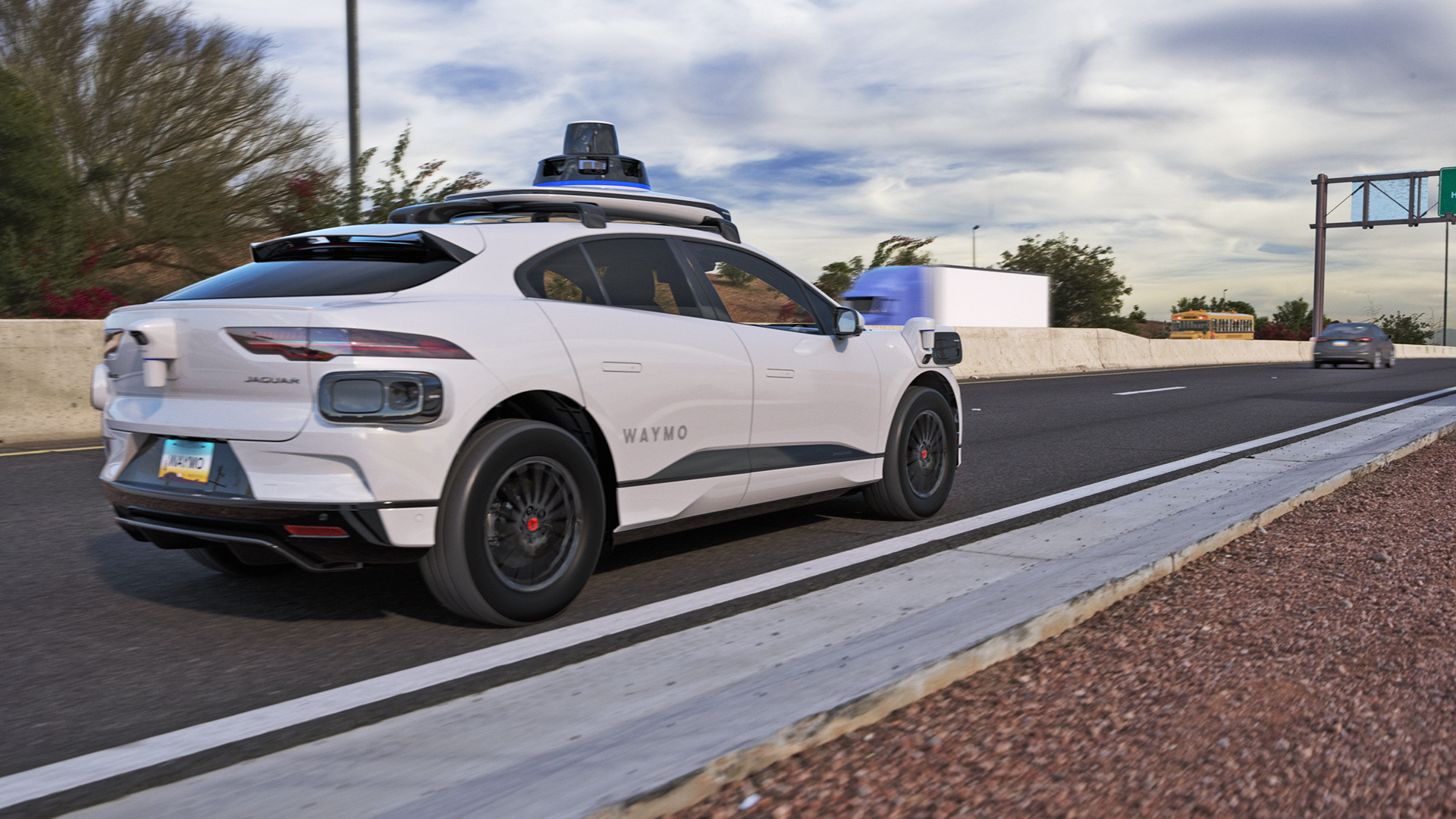
This technology arrives as the Alphabet-owned company faces mounting pressure from federal regulators. Following a collision involving a child in Santa Monica earlier this year, Waymo utilized its prior modeling to argue that a human driver would have struck the pedestrian at a higher velocity. The Reference Driver aims to sharpen these retrospective analyses, allowing the company to better quantify safety outcomes in real-world crashes. To foster broader industry standards, Waymo is releasing the research code under an academic license, inviting researchers to experiment with and refine the model for non-commercial use.
Comments (0)
No comments yet. Be the first!